
The Most Common Pests That Require Fumigation
People seeking pest fumigation aim to eliminate common pests like termites, bed bugs, and rodents, with local service providers ready to handle these infestations effectively.
If you’ve recently searched for information on the most common pests that require fumigation, you’re in the right place. Property owners in the area often encounter these pests due to the local environment and the need to protect their homes and businesses from potential damage or health concerns. Understanding which pests are most likely to invade can help you stay prepared and make informed decisions about pest management. Local contractors specializing in fumigation services are equipped to handle these common pests efficiently, providing peace of mind and safeguarding your property.
Continuing to explore this topic can reveal practical insights into how these pests tend to appear and why professional fumigation might be necessary. Whether dealing with persistent infestations or proactive prevention, connecting with experienced service providers can ensure the job is done thoroughly. These local experts are familiar with the pests that frequently require fumigation in the area and can tailor their approaches to suit your specific needs. Keep reading to learn more about these pests and how professional fumigation services can help protect your property from unwelcome invaders.
- Termite infestations - when signs of wood damage or mud tubes appear, local contractors can perform fumigation to eliminate these pests effectively.
- Bed bug problems - in cases of persistent bites or visible bugs in bedding, service providers use fumigation to eradicate bed bugs thoroughly.
- Wood-boring beetles - when larvae are found inside furniture or structural wood, local pros can apply fumigation to target hidden infestations.
- Fungus and mold with pest activity - if pest presence is linked to fungal growth, fumigation services can address both issues simultaneously.
- Rodent and insect hybrid infestations - for complex pest scenarios involving multiple species, local contractors can perform comprehensive fumigation treatments.
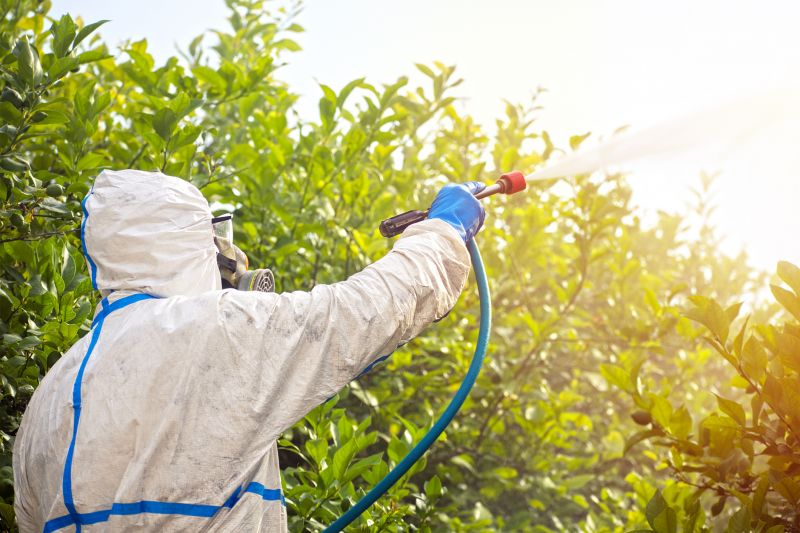
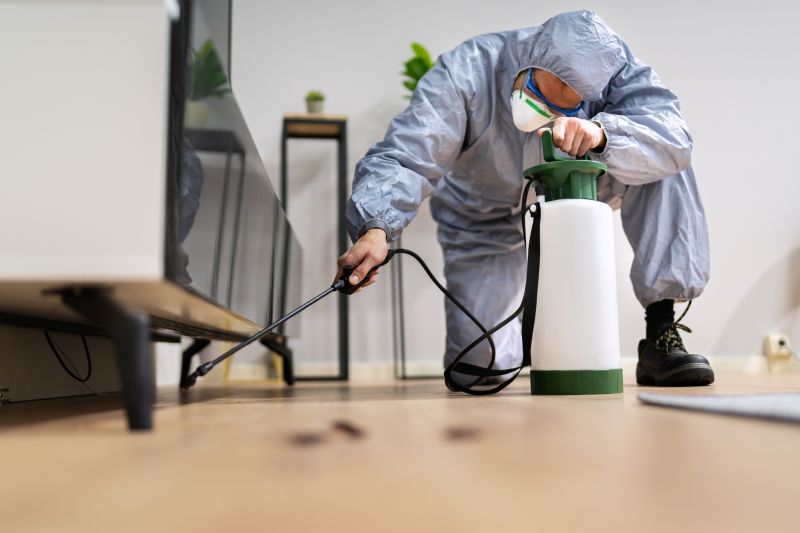
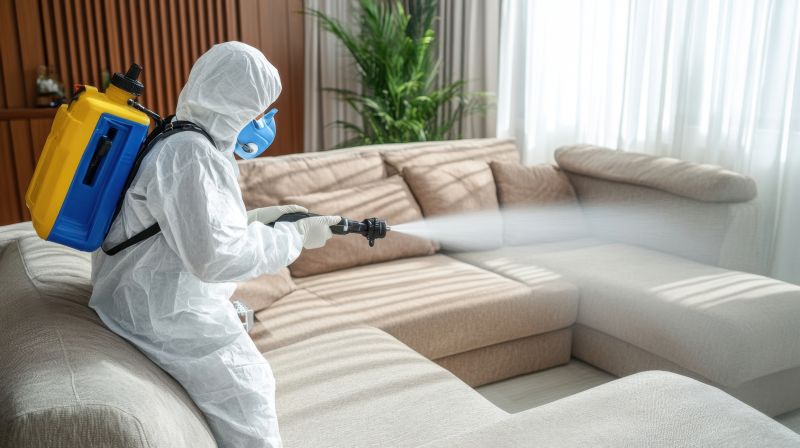
When people search for information about the most common pests that require fumigation, they are often concerned about infestations that can threaten the safety and integrity of their properties. This topic is relevant to homeowners who notice signs of pest activity, such as unusual odors, droppings, or damage to wood and furniture. It also relates to those planning preventive measures to avoid severe infestations that could lead to costly repairs or health issues. Understanding which pests typically need fumigation helps homeowners determine when to seek professional help and what kind of treatment might be necessary to effectively eliminate the problem.
Many property owners associate fumigation with severe pest problems that are difficult to control through DIY methods. Common pests that often require this type of treatment include termites, bed bugs, and certain types of beetles. These pests tend to hide deep within structures or materials, making manual removal ineffective. For example, termites can cause extensive damage by feeding on wooden beams and framing, while bed bugs can infest mattresses and furniture, creating uncomfortable living conditions. Recognizing these pests and understanding the need for professional fumigation can help homeowners develop a clear plan for eradication and property protection.
The types of properties that typically face issues with these pests include residential homes, especially those with wooden structures or older construction, as well as multi-unit buildings like apartments and hotels. Commercial properties such as warehouses and storage facilities may also be vulnerable, particularly if they contain stored goods or materials that attract pests. In many cases, properties with high occupancy or frequent visitors are at increased risk of infestations that require more extensive treatment. Local service providers are equipped to handle a variety of property types, offering tailored solutions that address the specific pest challenges faced by each property.
Understanding the common pests that require fumigation connects directly to the planning and execution of effective pest management strategies. Homeowners and property managers benefit from knowing which pests are most likely to invade their spaces and when professional treatment is necessary. Local contractors who specialize in pest fumigation can assess the situation, identify the pests involved, and recommend appropriate solutions. This ensures that infestations are addressed thoroughly and efficiently, helping to protect property value and maintain a safe, pest-free environment.
Termite treatment services - technicians use specialized fumigation techniques to eliminate termites, which are among the most common pests that require fumigation.
Rodent control solutions - local contractors often provide fumigation as part of comprehensive pest management for rodents that invade structures and require targeted removal.
Bed bug extermination - fumigation is a common method used by service providers to eradicate bed bugs, which can be difficult to eliminate without professional treatment.
Wood-boring insect treatments - pest control experts offer fumigation to address pests like beetles and carpenter ants that damage wood and require specialized treatment.
Infestation cleanup projects - comprehensive fumigation services are used by local contractors to handle severe pest infestations involving multiple pest types.
Structural pest management - planning and executing fumigation for pests that threaten building integrity, such as termites and wood-boring insects, is a key service offered by local pros.
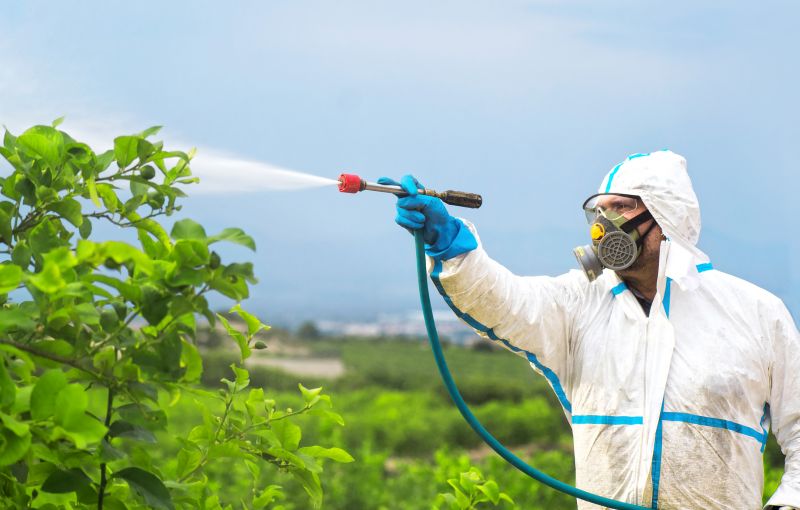
When comparing service providers for fumigation to address the most common pests that require such treatment, it’s important to consider their experience with similar projects. Homeowners should seek out local contractors who have a proven track record in handling pest issues like termites, bed bugs, or wood-boring insects, as these are often the pests that necessitate fumigation. Experienced providers are more likely to understand the nuances of different infestations, ensuring that the treatment approach is appropriate and effective for the specific pest problem. Checking how long a contractor has been working with pest fumigation can provide insight into their familiarity with the process and the types of pests they have successfully managed.
Clear written expectations are essential when evaluating local service providers. Homeowners should look for contractors who provide detailed, transparent information about the scope of work, the steps involved in the fumigation process, and any preparations or post-treatment care required. Well-communicated expectations help prevent misunderstandings and ensure that everyone is aligned on what the service will entail. It’s also helpful to request information about the procedures used, the areas covered, and any safety considerations, so that the homeowner can make an informed decision and feel confident in the provider’s approach.
Reputable references and good communication are key factors in selecting a pest fumigation service provider. Homeowners are encouraged to ask for references or reviews from previous clients who had similar pest issues. This can offer insights into the contractor’s reliability, professionalism, and effectiveness in resolving pest problems. Additionally, service providers who are responsive and willing to answer questions clearly demonstrate their commitment to good communication. A contractor who maintains open lines of communication can better address concerns, provide updates, and ensure the homeowner feels supported throughout the process, ultimately leading to a more satisfactory experience.
Property owners often search for the most common pests that require fumigation when they are planning practical projects around their homes and businesses. Local pros provide Pest Fumigation services for everyday jobs and straightforward project options.
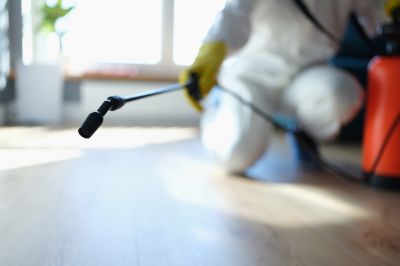
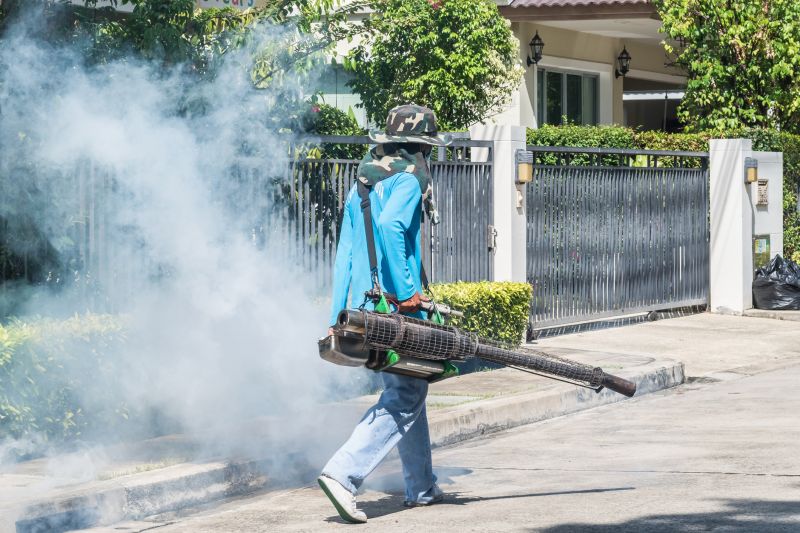
Many property owners in the area turn to pest fumigation services when they notice signs of common pests such as termites, bed bugs, or rodents. These pests can cause significant damage to structures or create uncomfortable living conditions, prompting homeowners and business owners to seek professional help. Fumigation is often considered a practical solution when infestations are severe or widespread, making it easier to eliminate the problem thoroughly and efficiently.
Understanding which pests are most likely to require fumigation can help property owners decide when to bring in local contractors for assistance. Common pests like termites, which can compromise the integrity of wood structures, or bed bugs, known for their stubborn presence in bedding and furniture, are frequent reasons for seeking professional fumigation services. Local service providers are equipped to handle these infestations, providing targeted treatment options to help restore comfort and protect property.
What are the most common pests that require fumigation? The most common pests that require fumigation include termites, bed bugs, cockroaches, fleas, and certain types of beetles. Local service providers can help identify and eliminate these pests effectively.
Why is fumigation necessary for some pests? Fumigation is often necessary when pests have infested hard-to-reach areas or have developed resistance to other treatment methods. Local contractors can determine if fumigation is the best option for pest control.
How do local pros perform fumigation for these pests? Local pest control service providers typically prepare the area, seal it, and use specialized gases to eliminate pests throughout the structure. They ensure the process is done safely and thoroughly.
Are certain pests more likely to require fumigation than others? Yes, pests like termites and bed bugs are more prone to require fumigation because of their ability to hide deep within structures or materials, making chemical treatments less effective alone.
Can fumigation prevent future infestations of common pests? While fumigation is effective at eliminating existing pests, ongoing prevention measures are recommended. Local contractors can advise on integrated pest management strategies to reduce future risks.
Identifying infested areas - property owners can work with local contractors to locate signs of pests like termites or bed bugs before scheduling fumigation.
Preparing the space - homeowners can clear clutter and secure belongings to ensure a thorough treatment by local pest fumigation specialists.
Choosing the right treatment plan - consulting with local pros helps determine the most effective fumigation methods for common pests like roaches or ants.
Post-treatment inspection - scheduling follow-up visits with local contractors ensures pests are eliminated and the property remains protected.
If you are thinking about the most common pests that require fumigation for a property, this guide is meant to help you understand this topic, the typical project types, and how different options might fit your plans.
When you are ready, you can use the quote form on this page to share a few details about your project. From there, local pros can review the basics and follow up with options that match what you have in mind.